Henry Hicks Islington: Full Story, Inquest Findings and Legacy
Introduction
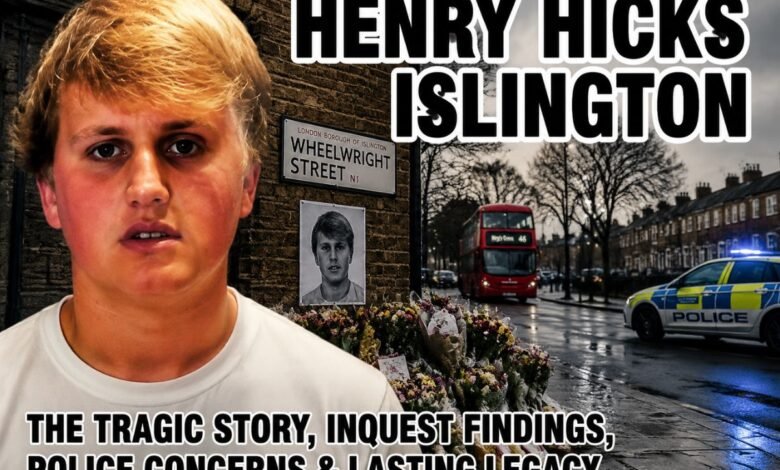
The story of Henry Hicks Islington is one that drew significant public attention across the United Kingdom due to the tragic circumstances surrounding his death and the questions it raised about policing practices and road safety. Henry Hicks, an 18-year-old carpenter from Islington, lost his life in December 2014 following a fatal moped crash in North London. His case later became the subject of a detailed inquest and public debate, particularly concerning how the events leading up to the collision unfolded.
Who Was Henry Hicks?
Early Life and Background
Henry Hicks was a young resident of Islington, London. He was known as a hardworking and ambitious teenager who was training as a carpenter. Like many young people in urban London, he used a moped as a practical means of transport for work and daily life.
Personality and Aspirations
Friends and community members described him as energetic, friendly, and focused on building a stable future. At just 18 years old, he was at the beginning of his adult life, developing his trade skills and working toward independence.
The Incident in Islington
Events on 19 December 2014
On the evening of 19 December 2014, Henry Hicks was riding his moped in the Islington area. During this time, he became involved in a sequence of events that would ultimately lead to a fatal collision in Wheelwright Street, near the Pentonville area of North London.
Police Involvement
According to information presented during the inquest, Henry was being followed by police officers in unmarked vehicles shortly before the crash. The exact nature of this interaction became a central point of investigation later.
Witness accounts and evidence suggested that Henry may have been aware of the police presence, although officers initially argued that he may not have fully understood he was being pursued.
The Crash
While traveling at speed, Henry lost control of his moped. Reports indicate that he clipped a taxi before being thrown into the path of an oncoming vehicle. The impact caused severe injuries, and despite emergency response efforts, he was pronounced dead at the scene.
The Inquest into Henry Hicks’ Death
Purpose of the Inquest
An official inquest was held to determine the circumstances surrounding Henry Hicks’ death. The process examined police actions, witness statements, CCTV footage, and forensic evidence.
Jury Findings
The inquest concluded that Henry Hicks was aware that police were following him prior to the crash. The jury determined that this awareness contributed to the sequence of events that led to him losing control of his moped.
However, the inquest also highlighted broader questions about the nature of the police engagement and whether the pursuit was conducted in line with proper procedures.
Speed and Road Conditions
Evidence presented during the hearings indicated that Henry was riding in a 20mph zone and may have been traveling at a significantly higher speed at the time of the crash. Road conditions, traffic presence, and sudden movements were also considered contributing factors.
Police Conduct and Public Debate
Questions Raised
One of the most discussed aspects of the case was whether the police actions leading up to the crash were appropriate. While officers maintained that they were not formally engaged in a high-speed pursuit, the inquest examined whether their actions effectively created a pursuit situation.
Oversight Investigations
Following the inquest, oversight authorities reviewed the conduct of the officers involved. Some officers faced scrutiny regarding their decisions on the night of the incident, though outcomes of disciplinary proceedings later varied.
Community Reaction
The case sparked strong reactions within the Islington community and beyond. Many people expressed concern over stop-and-search practices and how young people, particularly from urban areas, are treated during police interactions.
Legacy of Henry Hicks Islington Case
Public Awareness
The death of Henry Hicks became symbolic of wider debates about policing, youth safety, and accountability. Campaigns calling for justice and transparency gained attention, particularly in London.
Memorials and Tributes
Friends and community members created tributes in Henry’s memory, including artwork and informal memorial spaces near areas connected to the incident. These tributes reflect the impact his death had on those who knew him.
Policy Discussions
Although no single policy change can be directly attributed to the case, it contributed to ongoing discussions about police pursuit protocols and how officers engage with riders of small vehicles like mopeds and scooters.
Broader Context
Moped Safety in London
The case also highlighted the growing issue of moped-related accidents in London. Urban environments, dense traffic, and high-pressure situations often contribute to risky riding conditions for young riders.
Stop-and-Search Controversy
Henry Hicks’ history of being frequently stopped by police was also mentioned during public discussions. This aspect raised broader questions about trust between young people and law enforcement in certain communities.
Quick Info About Henry Hicks Islington
- Full Name: Henry Hicks
- Age at Death: 18 years old
- Occupation: Apprentice carpenter
- Residence: Islington, London
- Date of Death: 19 December 2014
- Location of Incident: Wheelwright Street, North London
- Vehicle: Moped
- Key Issue Investigated: Police involvement prior to crash
- Inquest Year: 2016
FAQs About Henry Hicks Islington
What happened to Henry Hicks in Islington?
Henry Hicks died in a moped crash in December 2014 in North London after losing control of his vehicle during a sequence of events involving police presence.
Was Henry Hicks being chased by police?
The inquest found that police were following him in unmarked vehicles, and the jury concluded he was aware of their presence, although the exact classification of a formal chase was debated.
Where did the accident happen?
The crash occurred in Wheelwright Street, near the Pentonville area in Islington, London.
How old was Henry Hicks when he died?
He was 18 years old at the time of his death.
Why is the case important?
The case is significant because it raised public concerns about policing methods, youth interactions with law enforcement, and road safety for moped riders in urban areas.
Was any officer held responsible?
Following investigations, some officers faced scrutiny, but disciplinary outcomes did not result in major criminal charges. The case remained controversial in public discussions.
Conclusion
The Henry Hicks Islington case remains a deeply discussed incident in London’s recent history. It highlights the complex intersection of policing, youth behavior, and road safety in busy urban environments. While official investigations concluded specific findings about the circumstances of his death, the case continues to resonate with communities concerned about accountability and fair treatment in law enforcement interactions.